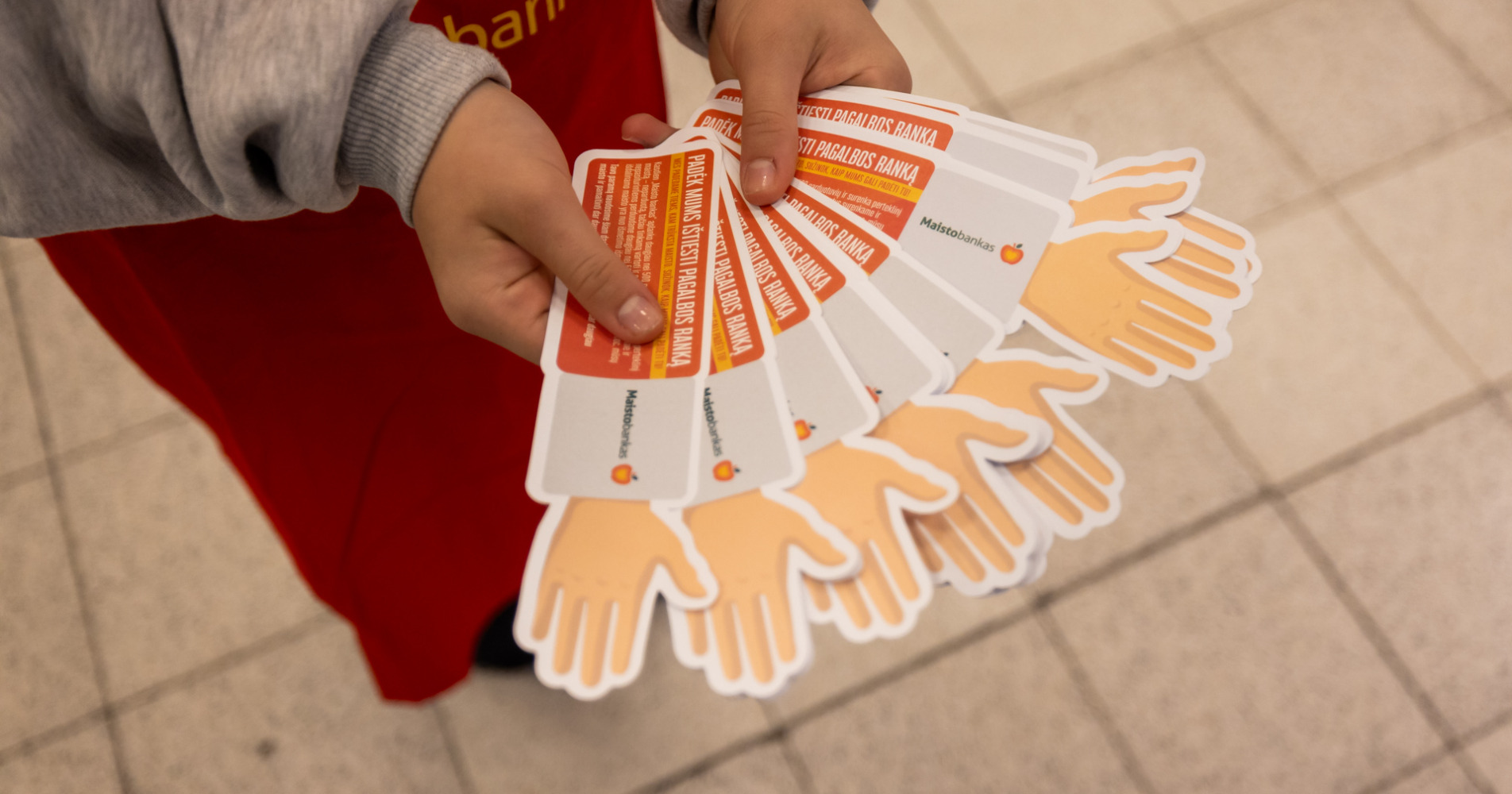
A portion of unsold food products that are safe for consumption are donated to charitable organisations, with Group companies working with partners in their respective countries on this activity. In 2025, 231 MAXIMA Lithuania stores participated in this process. Food is donated every day and later distributed by the charity organisations to vulnerable individuals in need of support and assistance. Donations include not only dry food items, but also fresh food such as vegetables, meat and dairy products. In addition, during 2025, food donation practices were expanded to include products from the temperature-controlled distribution warehouse, where food products no longer suitable for sale but still safe for consumption began to be redirected to charitable organisations in order to further reduce food disposal volumes.
In 2024, MAXIMA Latvia introduced a clear framework for donating food products labelled “Best Before” after the recommended date, ensuring that surplus food that is nonetheless safe and healthy is directed to those in need. This initiative is carried out in compliance with national regulations and involves collaboration with charities, municipal social services and other registered social care providers. The project continued in 2025, with the number of participating stores expanding beyond the 74 stores operating at the end of 2024. By the end of 2025, four additional agreements had been signed covering 31 more stores that will begin food donations in early 2026. With these additions, food donations will be carried out in a total of 109 stores, further supporting food waste reduction through redistribution of surplus food.
In Estonia, regular food donations to the Estonian Food Bank continued in 2025 from both stores and warehouses. Donated products include non-perishable food products past their “best before” date, as well as products that are no longer suitable for sale due to quality, labelling or minor packaging issues, but remain safe for consumption. Compared to 2024, the volume of donated food decreased mainly due to changes in the operational process, whereby products approaching the end of shelf life were identified and discounted for sale at an earlier stage.